

How Do I Choose a Good Care Home?
Care homes bring together accommodation, personal care, and, where needed, nursing care, offering round-the-clock support tailored to each resident’s needs. Alongside medical and practical assistance, they also provide opportunities for social interaction, meaningful activities, and everyday routines that help residents maintain their wellbeing and quality of life. Care homes are committed to delivering quality care, ensuring high standards and a person-centered approach for every resident.
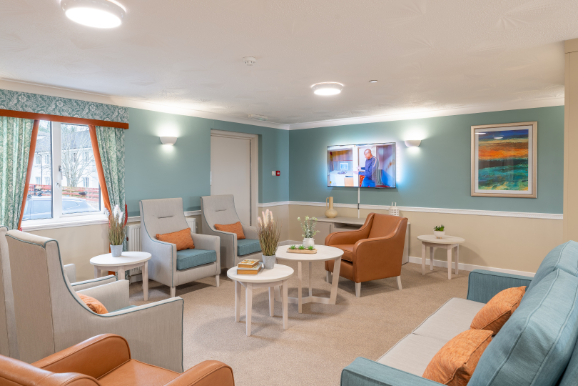
Most residents have their own private bedroom, often with an en-suite bathroom, as well as access to shared lounges, dining rooms, and outdoor spaces. Residents typically have their own bedroom, often with an en-suite, within a nurturing environment that provides comfort and support. These communal areas play an important role in helping people stay socially active, enjoy fresh air, and feel part of a community, while still having their own personal space to relax and unwind.
Because care homes offer 24-hour care, families can feel reassured that support is always available, whether that means help with personal care, regular visits from healthcare professionals, or simply knowing someone is there at night if needed. Social activities, family visits, and a consistent care team all contribute to a sense of stability and belonging.
Types of Care Homes
Care homes are not all the same, and understanding the different types available can make it much easier to find the right level of support. Choosing a care home is a big decision, and it's important to consider all the options available. The main distinction is based on the type of care provided, ranging from personal care and daily living support through to full nursing and specialist care, all within a residential setting. Choosing the right type of care home ensures that residents receive the appropriate level of help while maintaining as much independence and comfort as possible.
Residential Care Homes
Residential care homes provide accommodation alongside 24-hour personal care and provide support for older people, typically aged 65 and over, as well as those with a medical condition or mental health issues who find it difficult to manage everyday tasks on their own. Care is tailored to each individual, ensuring support is there when needed without taking away independence. These homes offer a safe and comfortable environment where residents no longer need to worry about household responsibilities such as cooking, cleaning, or laundry. Everything is taken care of, allowing residents to focus on enjoying their day-to-day life in a relaxed and supportive setting.
Residential care homes are well suited to people who can no longer live independently but do not require regular medical or nursing care, including those with disabilities or mental health problems. The emphasis is on personal support, companionship, and wellbeing, helping residents feel secure while continuing to live life in a way that feels familiar and meaningful to them. Alongside personal care, residents benefit from organised social activities, shared meals, and access to communal facilities such as lounges, cafés, and gardens. These spaces encourage social interaction and help reduce feelings of loneliness, contributing positively to residents’ overall quality of life.



Nursing Home
Nursing homes offer both residential and nursing care places, providing a higher level of care for people who need ongoing medical support in addition to personal care. They provide nursing care through qualified nurses who are on site 24 hours a day to manage more complex health needs. Nursing homes integrate health care services for residents with complex needs, including medical conditions, mental health issues, and dementia. This type of care is particularly suitable for people living with long-term medical conditions, physical frailty, or reduced mobility, where regular monitoring, medication management, and clinical support are essential. Nursing homes are also able to support people recovering from illness, injury, or hospital stays, offering convalescent care in a safe and comfortable environment.
Dementia Care
A good care home offering dementia care creates a calm, structured, and reassuring environment where residents feel safe, understood, and respected. Care is tailored to each individual, recognising that dementia affects everyone differently. Care and support are essential for residents with dementia, ensuring their unique needs are met and their well-being is maintained. Support is provided with daily living activities such as personal care, meals, and mobility, while also encouraging residents to remain as independent as possible. Consistent routines, familiar surroundings, and a compassionate care team all play an important role in reducing anxiety and promoting wellbeing.
Meaningful activity is central to high-quality dementia care. Gentle social activities, reminiscence sessions, music, and creative pursuits help residents stay engaged and connected, supporting emotional health as well as cognitive function. Time spent outdoors and access to safe garden spaces can also have a positive impact, offering fresh air and a change of scenery in a secure setting.
Respite Care
Respite care offers short-term support in a care home, providing a temporary stay for older adults who may need extra care while their usual carer takes a break, recovers from illness, or manages other commitments. This type of care is delivered in a nurturing environment, where dedicated staff ensure comfort and attend to both personal and medical needs during the stay. It can also be helpful following a hospital stay, offering a period of recovery in a safe and supportive environment before returning home. Respite care can be beneficial not only for carers but also for the person receiving care. It offers a change of environment, opportunities to socialise, and access to activities that can boost confidence and wellbeing. Many people find they enjoy the structure, companionship, and sense of community that a care home provides, even during a brief stay.
Palliative Care
Palliative care focuses on comfort, dignity, and quality of life for people living with serious or life-limiting conditions. In a care home setting, palliative care includes end of life care, supporting residents and their families during terminal stages with compassion and medical attention. It is about supporting residents physically, emotionally, and psychologically, while also offering reassurance and guidance to families during what can be a very difficult time. Palliative care in care homes is often delivered by a dedicated care team working closely with healthcare professionals such as GPs, district nurses, and specialist palliative care services. This joined-up approach helps ensure residents receive the right support promptly, whether that involves medication, emotional reassurance, or changes to their care as needs evolve.

Funding and Financial Help
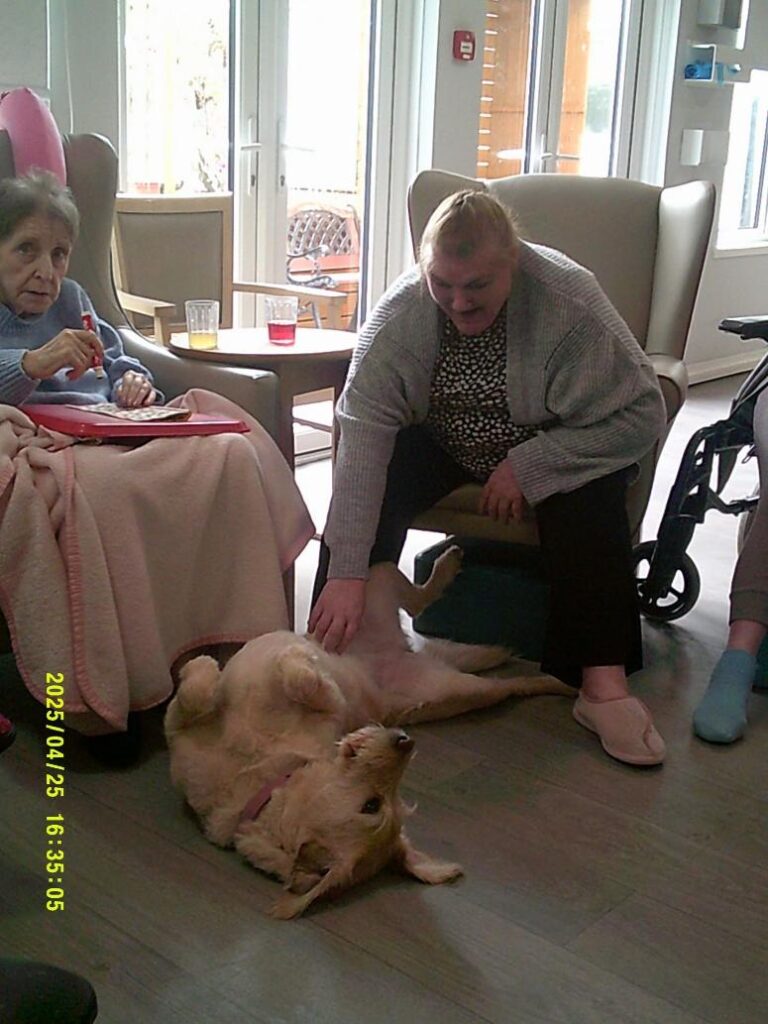
Understanding how care home fees are funded is an important part of choosing the right care, and it can often feel overwhelming at first. Care home costs usually cover accommodation, personal or nursing care, meals, and day-to-day support, with the total amount depending on the level of care required and the services provided. Fees may also include other services such as social care, hair salons, social activities, and access to amenities like cafes or outdoor spaces, making social care a key component of care home services.
Some residents fund their care themselves, often referred to as self-funding. This means paying care home fees privately, either from savings, income, or the sale of a property. For self-funders, the average cost of a care home in the UK is £1,298 per week, with residential care averaging £5,625 per month. Many care homes offer flexibility in services and room options, allowing individuals to choose an arrangement that best suits their needs and preferences.
Local authority funding may be available for people who meet certain eligibility criteria. This is usually based on a financial assessment as well as an assessment of care needs. People with capital below the savings and asset threshold can get financial support from their local authority. In England, nearly half (46%) of care home residents are part or fully funded by their local authority. It is always worth contacting the local authority to understand what support may be available and how the application process works.
For residents who require nursing care, additional financial support may be available through the NHS. This funding is designed to help cover the cost of nursing care provided by registered nurses within a care home. Eligibility is assessed separately, and the contribution is paid directly to the care home to support the cost of nursing services. If a person has savings and assets above £23,250, they will need to pay for their own care home costs and are known as self-funders.
Because funding arrangements can vary depending on individual circumstances, a good care home will be open and transparent about fees and able to guide families towards further advice and assessments. Taking the time to explore funding options can help families make informed decisions and plan confidently for the future. Fees paid by a local authority may not cover the full cost of a care home, and a top-up fee may be required from the person or their family.
Choosing the Right Care Home
Choosing the right care home is a deeply personal decision and one that should be guided by the individual’s needs, preferences, and values. While practical considerations such as location and cost are important, a good care home should also feel welcoming, safe, and supportive from the moment you walk through the door. As part of your decision-making process, review the regular social activities, social life, and meal times offered by each home, as these are key to residents’ wellbeing and sense of community.
The first step is understanding the level of care required, whether that is residential, nursing, dementia, respite, or palliative care. Once this is clear, families can search online for local care homes and use recommendations from healthcare professionals and online directories to focus on care homes that specialise in providing the right type of support, ensuring their loved one’s needs will be met both now and in the future.
When visiting care homes, it is helpful to have a checklist of questions to ask about the services and environment. A good care home will take time to understand the individual, not just their care needs but also their interests, routines, and personality. Small details such as how staff interact with residents, whether people appear relaxed and engaged, and how personalised the environment feels can say a great deal about the home’s culture.
It is advisable to visit multiple care homes to compare options before making a decision, and to visit shortlisted care homes multiple times at different times to assess the environment and interactions. Family and friends are encouraged to visit residents, and visits can happen outside of meal times. Review activities and social life options, including varied programming and cultural or religious activities, to keep residents engaged. Ensure that care homes support specific dietary, cultural, or religious needs for residents.
Visiting Care Homes
Visiting a care home in person is one of the most important steps in deciding whether it is the right place for a loved one. A visit allows families to experience the atmosphere first-hand, see how residents and staff interact, and get a genuine sense of what daily life is like within the home. During a visit, it is helpful to take note of how the environment feels. Communal areas should be clean, comfortable, and welcoming, with residents able to move freely and enjoy shared spaces such as lounges, dining rooms, and gardens. Outdoor areas, in particular, can play a valuable role in supporting wellbeing by offering fresh air and opportunities for gentle activity. Look for regular exercise classes and opportunities for physical activity, as these can promote residents' physical well-being, community engagement, and independence.
Meeting the care team is equally important. Speaking with carers, nurses, and managers provides insight into how care is delivered and how staff communicate with residents and families. A good care home team will be open, approachable, and happy to answer questions about care routines, activities, and support. When touring, check if residents have their own bedroom and private space, as this is important for privacy and comfort.
Visitors should also feel encouraged to ask about day-to-day life, including mealtimes, visiting arrangements, activities, and how families are kept informed. A varied menu that accommodates dietary needs is essential for residents' well-being. Observing how residents appear during these moments can be very telling, as relaxed, engaged residents often reflect a positive and supportive environment. Many care homes welcome multiple visits, allowing families to return at different times of day. This can help build confidence in the decision and ensure the home feels right both practically and emotionally.
Regulation of Care Homes
In Scotland, all health and adult social care, including care homes, are regulated by the Care Inspectorate (CI). The CI is responsible for inspecting care homes regularly and assessing whether they meet key standards across areas such as safety, care quality, responsiveness, leadership, and overall effectiveness. Following an inspection, care homes are given a rating that reflects the quality of care provided. These ratings, along with detailed inspection reports, are publicly available and offer valuable insight into how a home is run, how staff support residents, and whether improvements are needed. You can search online for care homes and view their full inspection reports on the CI website. Reading these reports can help families understand both the strengths of a care home and any areas being addressed.
Care homes must meet strict regulatory requirements, including having appropriately trained staff, clear care plans, safeguarding procedures, and systems in place to manage health and safety. Ongoing monitoring helps ensure that residents’ wellbeing, dignity, and rights are protected at all times.
What Makes a Good Care Home in Scotland
A good care home is one that goes beyond meeting basic needs and is committed to delivering quality care. It is a place where older adults feel safe, respected, and genuinely cared for, with support that is tailored to their individual needs and preferences. From residential and nursing care to dementia, respite, and palliative support, the right care home provides the appropriate level of care while preserving dignity, independence, and quality of life.
The environment, the approach of the care team, and the range of services available all play an important role in shaping daily life. Comfortable surroundings, meaningful activities, strong relationships with staff, and opportunities to stay connected with family and friends help residents feel settled and valued. If you're looking for a loving care home in Larkhall then please get in touch with our friendly team to book a visit.