

What Specialist Dementia Care Really Means In A Care Home
In Scotland, around 90,000 people currently live with dementia, with prevalence projected to rise 52-58% to between 102,000 and 146,600 by 2044 due to population ageing, equating to an additional 35,200-53,800 cases. This substantial increase, driven by a growing elderly population where age is the strongest risk factor. Specialist dementia care in care homes addresses this escalating need by providing essential, tailored support across all stages of the condition. These homes feature confusion-reducing environments with clear layouts, colour contrasts, and familiar cues to minimise disorientation; staff expertly trained in managing symptoms like memory loss, agitation, and behavioural changes; and person-centred plans that uphold residents' identity, dignity, and wellbeing, far surpassing the capabilities of general care options that often lack such specialised expertise.
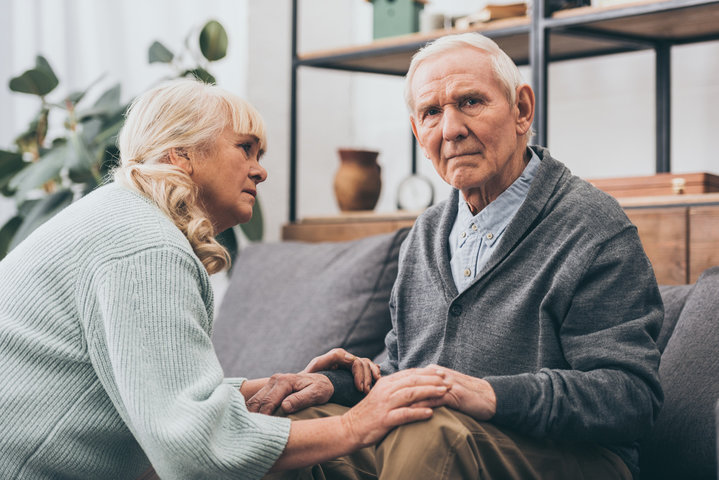
What Is Specialist Dementia Care?
Specialist dementia offers comprehensive, stage-specific support for those living with the condition, distinguishing it sharply from standard residential settings that primarily handle general elderly needs without dementia expertise. Trained staff master the nuances of dementia, its cognitive, emotional, and physical impacts, compassionately handling memory lapses through gentle reminders, confusion with reorientation cues, and behavioural shifts via validation techniques (acknowledging feelings rather than correcting facts) and de-escalation strategies like calm environments or distraction with familiar objects. Homes incorporate dementia-friendly designs, colour contrasts on door frames for visibility, secure gardens with sensory paths, intuitive navigation via pictorial signs, and circadian lighting to combat sundowning, minimising distress, encouraging independence, and reducing falls (up to 30% lower risk) and wandering incidents.
Individual care plans centre on life histories, hobbies, and routines, weaving in elements like favourite music or past professions to evoke positive memories and reduce anxiety. Many include 24-hour nursing for complex health needs, swallowing assessments to prevent aspiration pneumonia, infection monitoring amid weakened immunity, or palliative support in late stages, ensuring seamless transitions without relocation stress, which can exacerbate symptoms. In Scotland, where 63% of older care home residents (19,288 of 30,484) have dementia and 64% of dementia deaths occur in care homes, this continuity is crucial amid rising prevalence.
Benefits Of Being Cared For By A Team Of Specialists
At homes like Ashlea Court, specialist teams provide 24-hour personalised care for advanced dementia, unlike regular homes limited to low-level support for basic daily living. Advanced training equips staff to address agitation or confusion with calming routines, validation therapy, and sensory interventions, reducing distress and complications like dehydration, infections, or hospital admissions. Purpose-built spaces prioritise safety with enclosed gardens, night lighting, non-slip floors, and sensory rooms, while promoting autonomy amid cognitive decline through familiar layouts that prevent disorientation.
Families enjoy empathetic, consistent care that safeguards dignity, easing their emotional load far beyond standard facilities' capabilities, where general staff may struggle with complex behaviours. This full-spectrum approach handles progression seamlessly, from early memory support to end-of-life palliative care, offering reassurance in a challenging landscape where 70% of UK care home residents have dementia. Choosing specialists means proactive, expert intervention for optimal outcomes, including lower agitation rates and higher resident satisfaction scores. It also allows the family of their loved one to have reassurance in knowing that the level of care provided is of a high standard.
The Importance Person Centred Care
Person-centred care at Ashlea Court tailors support to each resident's preferences, history, and abilities, whether a love for baking or evening walks, fostering dignity and belonging. By valuing the individual over the diagnosis, it cuts distress from unmet needs, bolsters emotional health through familiar routines, and sustains autonomy despite memory challenges, proven to improve satisfaction and reduce behaviours like withdrawal or aggression.
Flexible plans, co-created with families, adapt to unique needs from preferred mealtimes to cherished rituals, creating a homely haven that counters institutional feel. This not only aids residents by preserving self-worth and slowing functional decline but alleviates family stress, strengthening bonds through involvement and shared updates. In dementia care, where identity fades progressively, this approach is indispensable, aligning with Scotland's strategies for dignified living.

Meaningful Activities That Are Not Just One Size Fits All
Specialist homes deliver bespoke activities matching residents' skills and histories: reminiscence via photos and stories, sensory gardens for touch and smell, music evoking memories, gentle exercise like chair aerobics to ignite joy, sharpen cognition, and build connections against isolation. Art sessions, gardening in raised beds, pet therapy with calm animals, and structured routines further amplify mood, mobility, and purpose, curbing agitation as research shows reduced behavioural incidents by 20-30%.
These programmes decisively influence home selection: they elevate life quality, temper symptom progression via stimulation, and assure families of meaningful engagement over stagnation. With Scotland's rising prevalence and 90,000+ affected, vibrant activities ensure thriving, not survival, vital for long-term wellbeing and carer confidence.

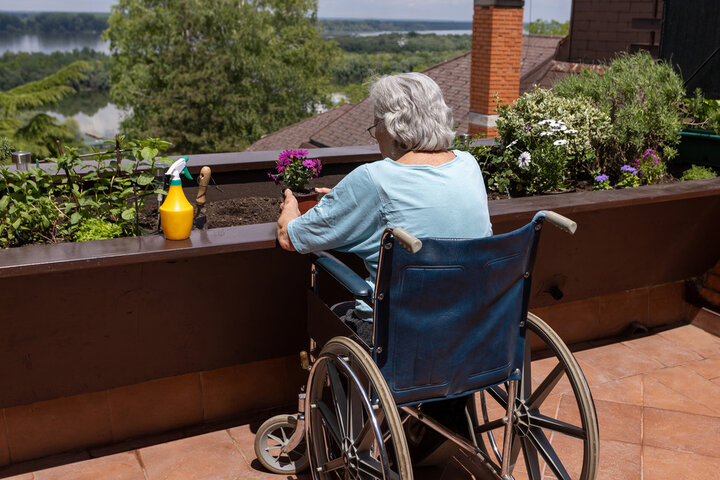
Adapting Care Together: Family Collaboration & Support
As dementia progresses, a quality specialist care home collaborates closely with families through regular reviews, updates, and shared care planning to adapt support seamlessly, adjusting for changing needs like increased mobility aid or behaviour management while keeping relatives informed and involved in decisions. A reputable Care Home should also offer emotional respite for families via flexible visits, counselling, and signposting to local resources, recognising the toll of caregiving; this includes connecting to Scotland's 5 Pillar Model of Post-Diagnostic Support (psychological, social, and practical help) and carer assessments for breaks or wellbeing plans. For support, visit Alzheimer Scotland (https://www.alzscot.org/) for nationwide dementia advice and local services; Dementia Carers Scotland (via Age Scotland at https://www.agescotland.org.uk/information-advice/dementia/); or NHS Inform Scotland's dementia hub (https://www.nhsinform.scot/illnesses-and-conditions/brain-nerves-and-spinal-cord/dementia/) for general guidance, diagnosis, and carer tools.
Ready to discover how specialist dementia care can transform life for your loved one? Arrange a personal tour of Ashlea Court's dedicated dementia unit in South Lanarkshire today. See our purpose-built environments, meet our expert team, and experience person-centred care in action. We're here to answer your questions and support you every step, your peace of mind starts with one simple conversation, call us today on 01698 887011.