

Different Types of Care Offered in a Care Home
Choosing a care home for yourself or someone close to you can feel like a big step. There are so many factors to consider in your decision, and understanding the different types of care available is one of the most important.
Care homes are designed to provide the exact level of care a person needs, that will result in the highest possible quality of life. By understanding the types of care available, you can feel more confident in finding the right support for your family.
What Services Do Residential Care Homes Provide?
Residential care is often the right choice for people who are finding everyday life a little more difficult but do not need ongoing medical care. It offers a balance of support and independence in a safe and welcoming setting.
Practical Support
Day-to-day personal care is a key part of this support. This can include help with washing, dressing, moving around safely and using the bathroom. Care is always given with dignity and respect, with staff encouraging residents to do as much as they comfortably can for themselves.
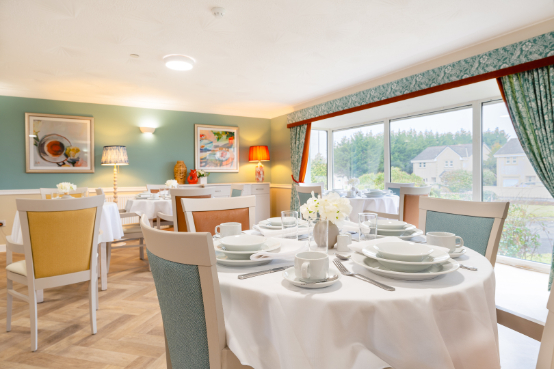
Everyday household tasks such as cooking, cleaning and laundry are taken care of. Mealtimes are an important part of the day, and menus are usually created to offer both choice and good nutrition, while taking into account personal tastes and preferences.
Support with basic grooming, such as hair care or shaving, helps residents feel comfortable and maintain their routines. If medication is prescribed, trained staff can also assist with administering it safely.
Supporting Every Aspect of Wellbeing
Beyond practical support, residential care homes focus on creating a sense of community. Companionship plays a big role in wellbeing, and residents are encouraged to take part in social activities, spend time with others or simply enjoy quiet moments in shared spaces.
Many homes offer a range of activities and facilities so residents can continue to enjoy life in their own way. Whether that means joining a group activity, spending time in a garden or relaxing with a book, the choice always remains with the individual.
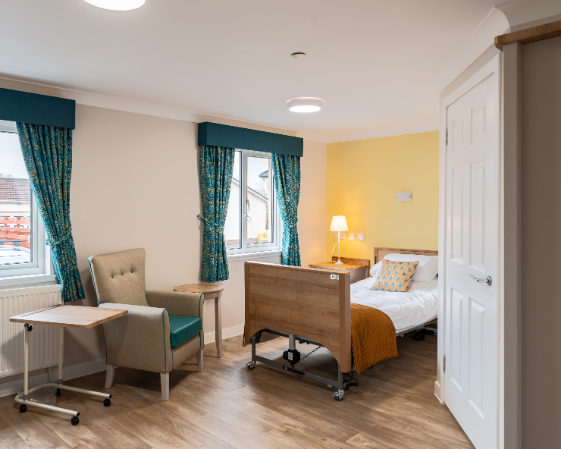
The environment itself is carefully designed to feel safe, bright and easy to move around. Many care homes are purpose built with this in mind, helping residents feel confident and secure in their surroundings.
Most importantly, residential care encourages independence. Support is available around the clock, but it is delivered in a way that feels gentle and non-intrusive. Residents are reassured that help is there if they need it, while still being able to live life on their own terms.
Personalised Care Plans
No two people are the same and care should reflect that. This is why personalised care plans are at the heart of life in a good care home.
Each plan is created in collaboration with care staff, the individual and their loved ones. Together, they build a clear picture of what matters most. This includes personal preferences, daily routines, values and life history, as well as smaller but meaningful details like favourite meals and music, hobbies and interests.
Personalised care plans are not fixed, and reviewed regularly and adapted as needs change over time. This flexibility is important, as it allows care to evolve naturally. Choosing a home that offers different types of care can also make future transitions smoother, reducing the need to move if additional support is needed later on.
Nursing Care
Nursing care builds on everything offered in residential care, with the added reassurance of 24-hour support from qualified nurses. This type of care is suited to people with more complex health needs, including those living with long-term conditions, recovering from surgery or injury, or needing ongoing medical monitoring.
Care is delivered with warmth and understanding, ensuring that medical needs are met alongside emotional and social wellbeing.
Palliative Care
Palliative care, sometimes known as end-of-life care, is designed for people who are nearing the final stages of life. The focus here is not on curing illness, but on comfort and quality of life. This includes managing symptoms such as pain, while ensuring the person feels as comfortable and supported as possible.
Emotional care is just as important. Support is offered not only to the individual, but also to their family, helping everyone feel guided and reassured during a difficult time. Care teams take the time to understand personal wishes, ensuring that these are respected with sensitivity and compassion.
Dementia Specialist Care Homes
Dementia care requires a thoughtful and tailored approach. In specialist dementia care homes, staff are trained to understand the different ways dementia can affect memory, mood, behaviour and perception.
Daily routines are carefully structured to reduce anxiety and provide a sense of familiarity. Small details, such as clear signage, thoughtful use of colour and appropriate lighting, help residents feel more confident in their environment.
Activities are also adapted to support memory and engagement. This may include reminiscence sessions, sensory experiences, or calm, familiar tasks that bring comfort and enjoyment. The aim is always to create a supportive setting where individuals feel understood, safe and valued.

Respite Care
Respite care offers short-term support, often used when a regular carer needs time to rest, travel, or focus on their own wellbeing. Respite care can also be helpful after a hospital stay, providing a supportive environment for recovery before returning home.
Stays can vary, although many homes have a minimum period of a few weeks. This gives both the resident and their family time to settle into a routine and feel comfortable.
What Type of Care is Respite Care?
Respite care is flexible and can be tailored to individual needs. It may involve residential care, nursing care or dementia support, depending on your situation.
Even though the stay is temporary, care plans are created in the same way as for long-term residents. This ensures that support feels personal and consistent, with attention given to preferences, routines and interests.
Many people find that respite care offers reassurance, not only during the stay itself, but also as a gentle introduction to care home living if longer-term support is being considered.
Living Well at Ashley Court Care Home
At Ashley Court Care Home, every resident is supported as an individual, with their own story, preferences and way of life at the centre of everything we do.
Whether someone needs a little extra help with daily tasks or more specialist dementia support, we take the time to listen, understand and provide care that feels natural and respectful. From meaningful activities and shared moments, to quiet spaces and familiar comforts, we aim to create an environment where residents feel safe, valued and truly at home.
We understand that choosing care can feel overwhelming, which is why we are here to guide and support you every step of the way. Please get in touch with our friendly team to discuss your family’s care needs, or arrange a home tour to see what makes Ashley Court so special.