
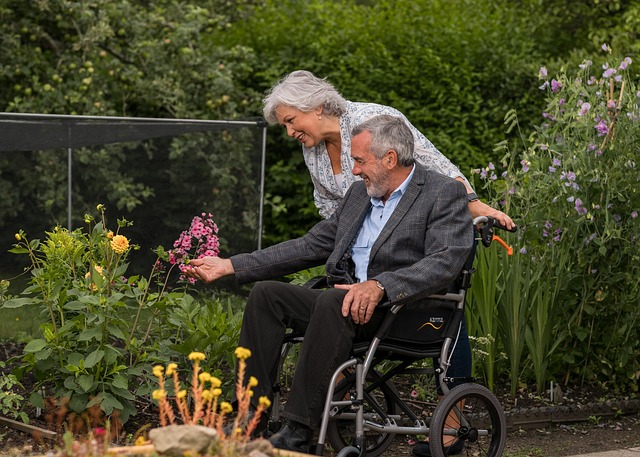
Garden Therapy & Outdoor Activities in Care Homes
Outdoor spaces in care homes offer more than just fresh air. They provide a familiar, calming setting where residents can relax and connect with others in a natural way. In this blog, we look at the benefits of outdoor activities in care homes and why they play such an important role in everyday wellbeing.
Care Home Activities
Care homes need a way to keep each day engaging and fulfilling for residents, which is why many offer varied activity programmes supported by dedicated activities coordinators. These programmes are person-centred and shaped around individuals’ hobbies, personalities and preferences. Activities can take place one-to-one or in group sessions, depending on what feels most comfortable for each person.
A varied activities programme can support both physical and mental wellbeing in several ways. Gentle movement, adapted to each person’s ability, helps maintain mobility and can support overall physical health in a safe and manageable way. Keeping the brain active is just as important. Activities such as games, creative tasks or reminiscence work can help maintain cognitive function and may help slow cognitive decline for people living with dementia.
Continuing with familiar hobbies also brings a sense of identity and purpose. It can build confidence and support self-esteem, especially when residents are able to achieve something meaningful or complete a task they enjoy.
Social interaction is another key benefit. Taking part in activities with staff, family members and fellow residents can reduce feelings of loneliness and isolation. It often lifts mood and helps create a stronger sense of community within the home. Regular engagement in meaningful activity can also help reduce anxiety and symptoms of low mood, creating a more settled and positive day-to-day experience.
Mental Health Benefits of Outdoor Activities
Spending time outdoors has benefits for everyone, but it can be especially meaningful for older people living in care settings.
One of the most noticeable benefits is stress reduction. A calm outdoor environment, fresh air and natural surroundings can help ease anxiety and reduce mental fatigue. For people living with dementia, this peaceful setting can also help reduce agitation and restlessness. The mindful action of simply sitting outside, noticing sounds or watching wildlife can help a person stay present in the moment, which often supports a greater sense of calm and wellbeing.
Why We Should All Spend Time in Nature
Gentle physical activity outdoors, within safe limits, can help the body release endorphins. These natural chemicals support mood and can bring a sense of positivity after even light movement. Exposure to natural daylight also plays an important role in regulating sleep patterns. Sunlight helps the body produce vitamin D, which supports overall health, and it can also contribute to the production of serotonin, a hormone linked with mood and wellbeing. Additionally, changes in scenery, sounds and textures provide gentle sensory stimulation, which can support concentration, attention and memory.
There is also value in the sense of achievement that outdoor activities can bring. Whether it is planting something new or taking part in a group activity, these moments can help build confidence and self-worth. Watching a garden grow and change over time can be especially rewarding and can create a lasting sense of pride.
Examples of Outdoor Activities in Care Homes
There are many different ways outdoor spaces can be used in a care home setting, depending on residents’ interests and abilities.
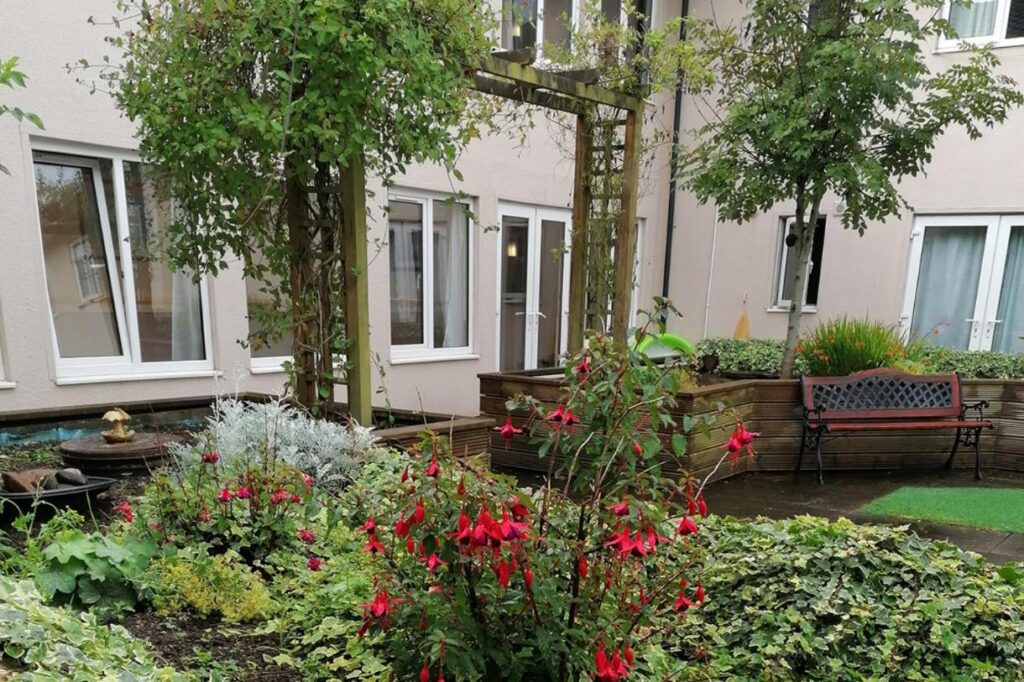
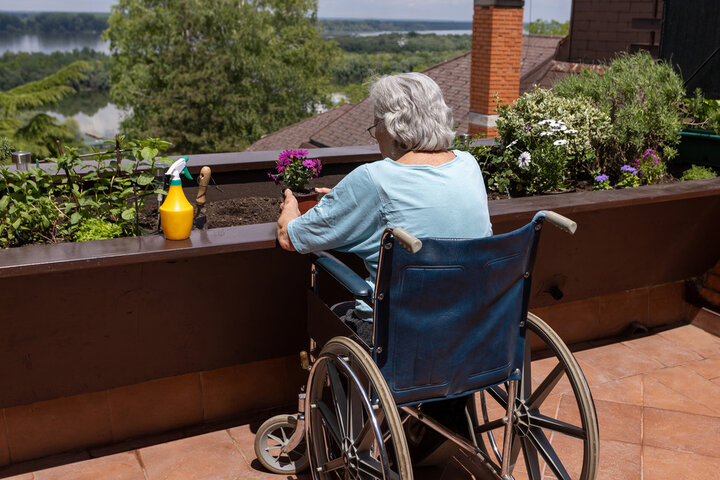
Gardening and planting seeds is one of the most popular activities. It offers a sense of teamwork and achievement as residents help care for flowers, vegetables or herbs. Raised planters are often used so that activities are accessible for everyone. Simple gardening routines can also bring structure to the week and support a sense of purpose.
Walking groups are another gentle way to stay active. Flat, well-maintained paths make it easier for everyone to take part, including those using walking aids or wheelchairs. Regular movement like this can support joint health and muscle strength, which may also help reduce the risk of falls.
Outdoor exercise sessions can be adapted to different needs. Some residents may enjoy seated exercise, while others may prefer light games such as bowling. The focus is always on enjoyment and safe participation.
Nature observation and birdwatching can be very calming, and can even be done through a bedroom window. Sitting quietly in a garden and noticing birds, plants and changing seasons can also encourage reminiscence and conversation.
Picnics and outdoor meals offer a simple change of scenery. Sharing food outside can feel relaxing and social, creating a pleasant break from indoor routines.
Creative activities such as outdoor arts and crafts also work well in fresh air. Painting, drawing, collages or simple group projects can feel more inspiring in a natural setting.
Community outings can extend beyond the care home garden. Trips and visits to botanical gardens, zoos, or canals can bring variety and excitement, offering a refreshing change of environment.
Sensory activities are especially valuable. The scent of flowers, the sound of birds, and the feeling of a gentle breeze all help create a calming and immersive experience that supports relaxation.
Dementia Gardens
A dementia garden is a specially-designed outdoor space that is safe, accessible and stimulating for people living with dementia. Many care home gardens are created with these principles in mind.
The purpose of a dementia garden is to encourage independence while also reducing anxiety. It provides sensory stimulation and supports both physical and emotional wellbeing. Extra care is taken with design, including clear signage, bright and supportive colour contrasts, and secure boundaries to ensure safety.
Common features of a dementia-friendly garden include wide, flat paths that are easy to navigate with wheelchairs or walking aids. These paths are often continuous, without dead ends, to help reduce confusion. Handrails may also be included for added support.
Planting is chosen carefully, with fragrant flowers such as lavender and rosemary, alongside colourful and textured plants that stimulate the senses.
Seating areas are placed regularly throughout the space, often with shaded spots so residents can rest comfortably. These quiet areas offer space to pause, reflect or enjoy conversation.
Some care home gardens also include familiar elements that encourage reminiscence, such as bird feeders, vegetable patches or traditional garden features that may spark memories and conversation.
Residents are usually free to use the garden throughout the day, weather permitting. This freedom supports independence while still providing reassurance that staff are nearby if support is needed.
Ashlea Court Care Home in South Lanarkshire
At Ashlea Court Care Home in South Lanarkshire, outdoor life is an important part of daily living. Our courtyard gardens are used in a way that feel natural, welcoming and flexible, so residents can enjoy them in a way that suits their own routines and preferences. These everyday experiences help create a calm and supportive environment where wellbeing is carefully considered and individual needs are respected.
If you’re looking for expert care near Glasgow, please arrange a tour of Ashlea Court Care Home today. You’ll be able to meet our friendly team, see our beautiful gardens and indoors spaces first-hand and ask any questions you might have. We can’t wait to meet you.